preparing your moment
Long before matcha became a drink of convenience,
it was prepared as a discipline of attention.
Not to energise.
Not to optimise.
Not to perform.
But to remain present.
Powdered tea was measured, whisked, and received slowly
often in ordinary moments, woven into daily life.
What mattered was not the outcome,
but the quality of attention given to the act itself.
There are accounts of people who prepared tea each morning
without instruction or audience.
No formal setting.
No declared ritual.
Just repetition.
Over time, the gestures softened.
The movements became quieter.
The moment began to hold itself.
What we now call ritual did not begin as ceremony
it began as care, practiced until it felt inevitable.
As matcha travelled through different contexts,
it accumulated layers objects, rules, performances.
Some practitioners observed these practices
and yet others responded not by adding more,
but by taking things away.
Fewer tools.
Fewer gestures.
Less light.
Until only what mattered remained.
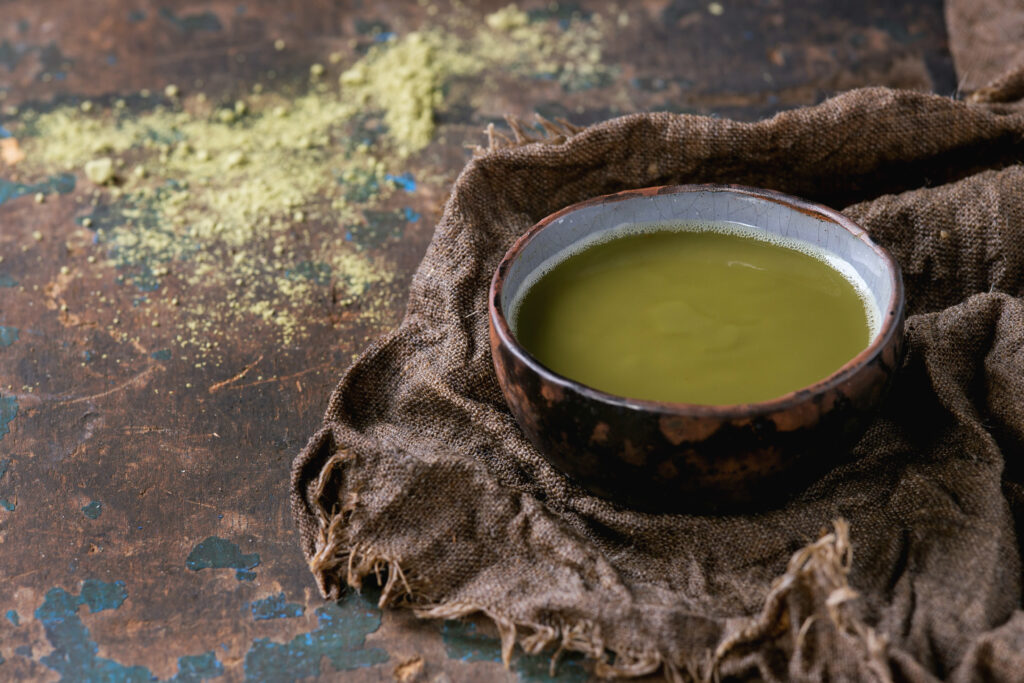
A bowl.
Water.
Attention.
It wasn’t about tradition preserved for its own sake,
but about restraint as a way of seeing clearly.
There is a story told not in names,
but in spaces.
A small room.
Dim light.
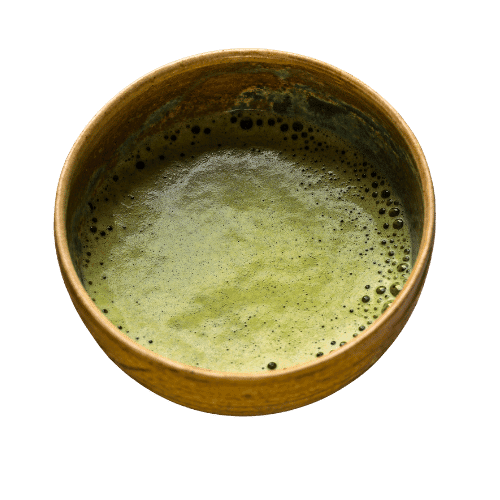
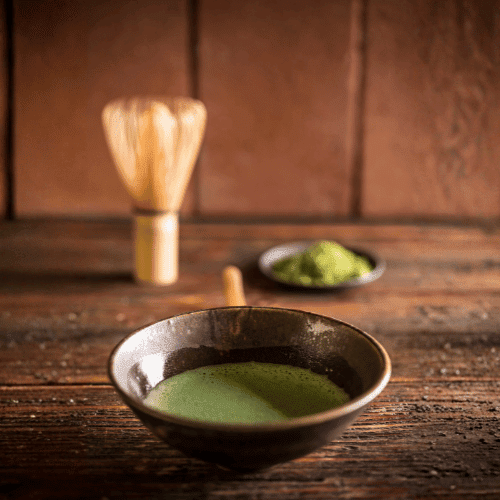
An uneven bowl chosen deliberately.
Nothing impressive happened there.
And yet, those who entered noticed something change
not in the tea, but in themselves.
The room did not teach.
It did not explain.
It simply made space.
This way of preparing tea found its way to us
not through study or ceremony,
but through repetition.
Preparing matcha by hand.
Serving it quietly.
Watching how people receive it
when nothing is rushed.
Over time, it became clear:
what mattered was not the drink itself,
but the space it created around it.
We at Matcha Byron Bay do not see ourselves as teachers or experts.
Our role is simpler.
To tend the practice.
To choose carefully.
To remove what isn’t essential.
And to make it easier for others
to return to this way of beginning the day.
We work from Byron Bay, Australia
a place where light, weather, and pace
continue to teach restraint.
From here, we prepare and pack each batch with care,
sending it onward to be received elsewhere.
The ritual does not belong to us.
We simply help hold it.

Long before matcha became a drink of convenience,
it was prepared as a discipline of attention.
Not to energise.
Not to optimise.
Not to perform.
But to remain present.
Powdered tea was measured, whisked, and received slowly
often in ordinary moments, woven into daily life.
What mattered was not the outcome,
but the quality of attention given to the act itself.
There are accounts of people who prepared tea each morning
without instruction or audience.
No formal setting.
No declared ritual.
Just repetition.
Over time, the gestures softened.
The movements became quieter.
The moment began to hold itself.
What we now call ritual did not begin as ceremony
it began as care, practiced until it felt inevitable.
As matcha travelled through different contexts,
it accumulated layers objects, rules, performances.
Some practitioners observed these practices
and yet others responded not by adding more,
but by taking things away.
Fewer tools.
Fewer gestures.
Less light.
Until only what mattered remained.
A bowl.
Water.
Attention.
It wasn’t about tradition preserved for its own sake,
but about restraint as a way of seeing clearly.
There is a story told not in names,
but in spaces.
A small room.
Dim light.
An uneven bowl chosen deliberately.
Nothing impressive happened there.
And yet, those who entered noticed something change
not in the tea, but in themselves.
The room did not teach.
It did not explain.
It simply made space.
This way of preparing tea found its way to us
not through study or ceremony,
but through repetition.
Preparing matcha by hand.
Serving it quietly.
Watching how people receive it
when nothing is rushed.
Over time, it became clear:
what mattered was not the drink itself,
but the space it created around it.
We at Matcha Byron Bay do not see ourselves as teachers or experts.
Our role is simpler.
To tend the practice.
To choose carefully.
To remove what isn’t essential.
And to make it easier for others
to return to this way of beginning the day.
We work from Byron Bay, Australia
a place where light, weather, and pace
continue to teach restraint.
From here, we prepare and pack each batch with care,
sending it onward to be received elsewhere.
The ritual does not belong to us.
We simply help hold it.

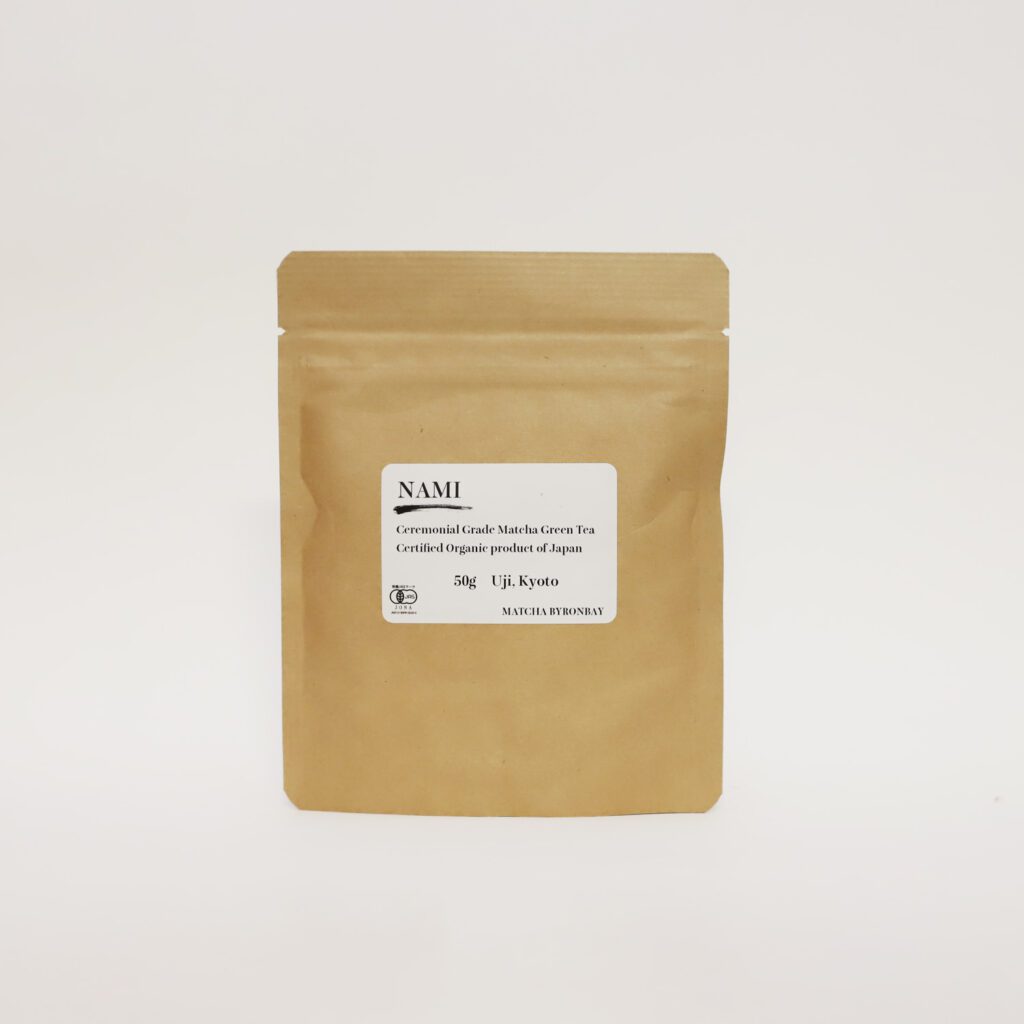
Ceremonial-grade organic matcha, sourced and packed in Uji, Japan.
Stone-milled for balance and softness.
No additives. No flavouring.
Prepared to be received slowly.
Ceremonial-grade organic matcha, sourced and packed in Uji, Japan.
Stone-milled for balance and softness.
No additives. No flavouring.
Prepared to be received slowly.
Clean energy, without urgency.
Focus that doesn’t spike or crash.
A calmer way to meet the day.
Coffee pushes.
Matcha steadies.
Nami is stone-ground in Japan using traditional methods that preserve flavour and texture.
The result is a balanced cup – umami-forward, low in bitterness, and gentle on the body.
This is matcha intended for daily return, not performance.
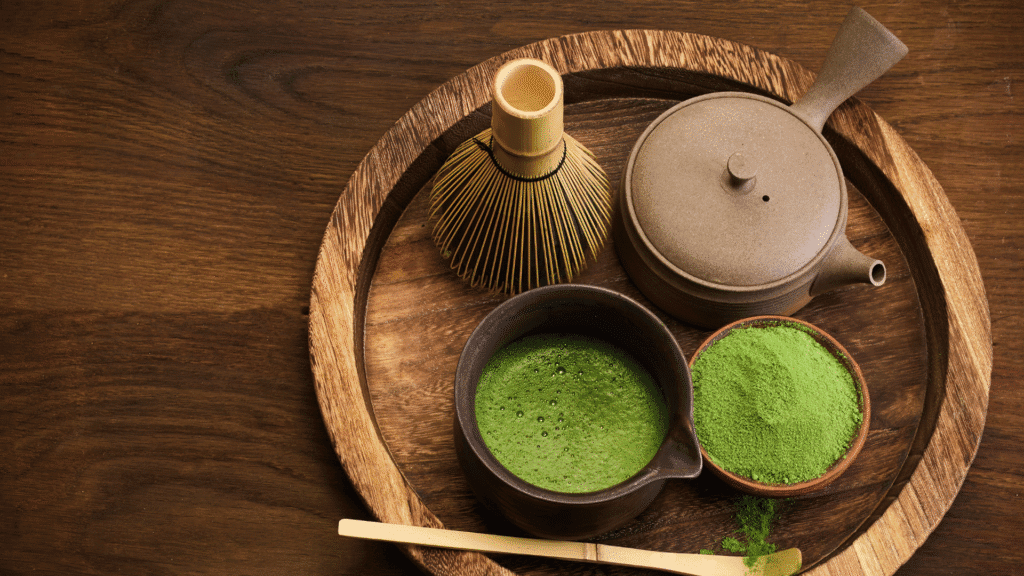
The warming of the bowl
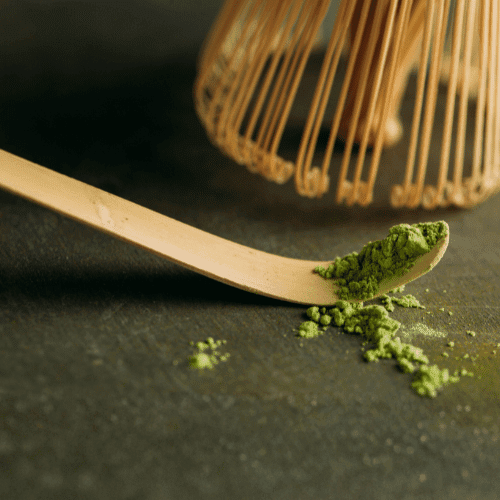
Measuring of the leaf.
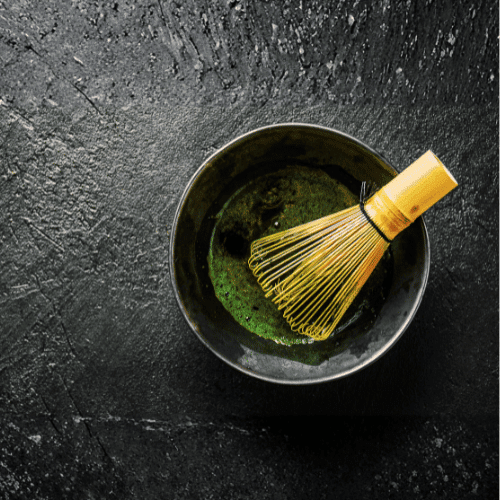
A dialogue between water and leaf.
With movement, sound, texture.
A gesture repeated until it becomes instinct.
With pause before the first sip.
Attention settles.
The body listens.
If you are new to matcha, begin simply.
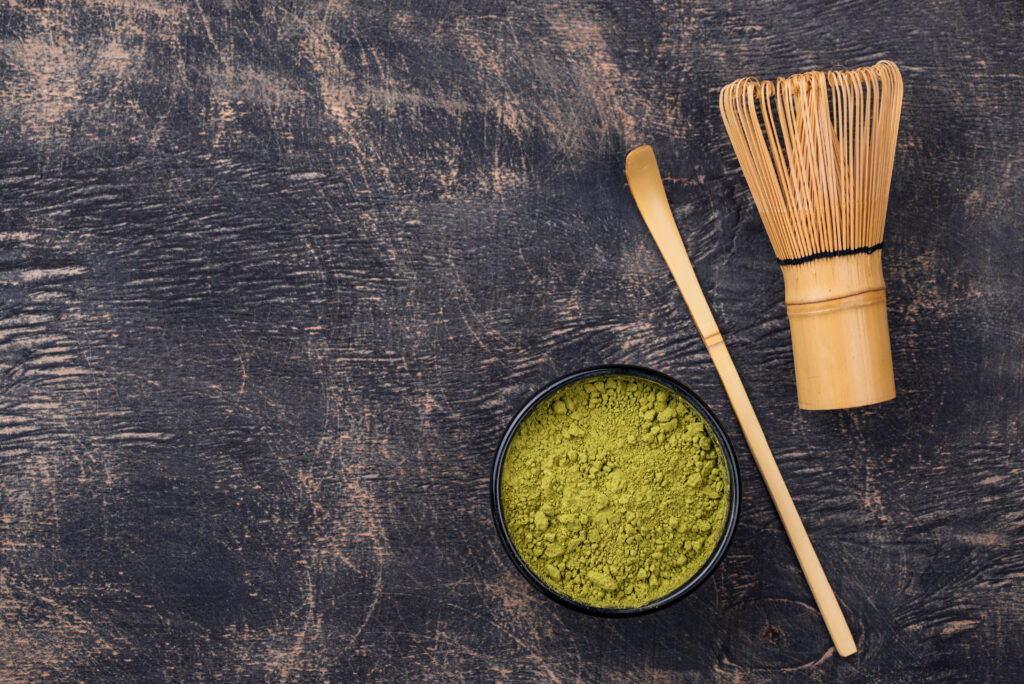
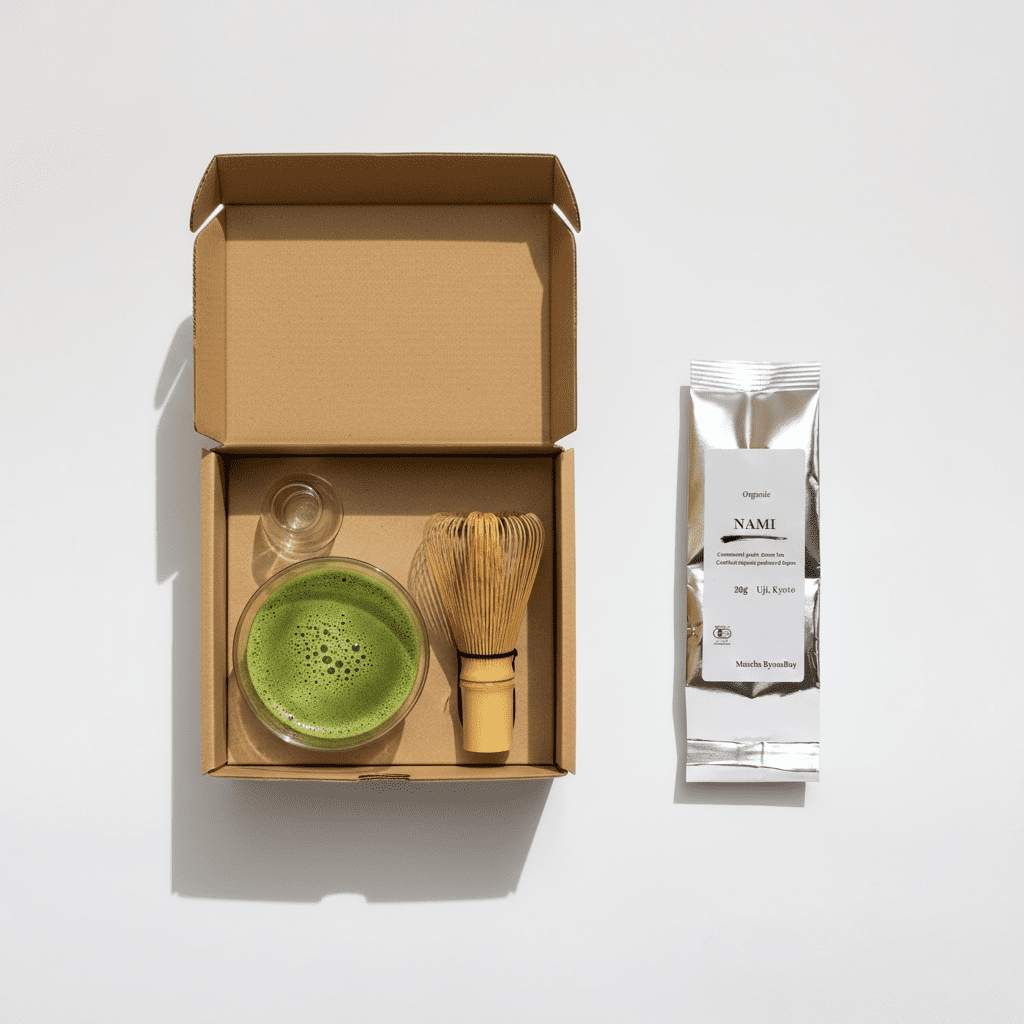
One bowl. One whisk. One morning.
Everything you need to prepare Nami at home.
For those who already have their tools.
Ships Australia-wide.
Packed with care.
Small batches, restocked quietly.
If you order today, use code MBB for an additional 10% off your first order.
* We will refund only the first order so please don’t order more than one!
We prepare this matcha with care, and we trust it will be received the same way.
If it doesn’t feel right for you, let us know.
We’ll refund your order – no questions, no pressure.